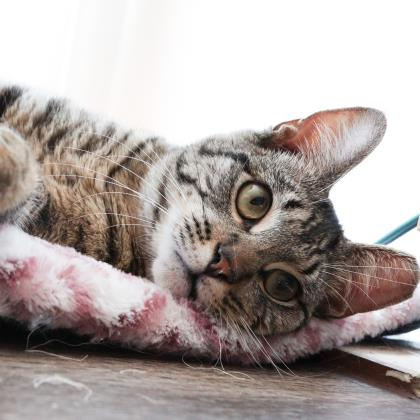
Kittens are So. Much. Fun. They are also a lot of work. Here are my top tips for fostering kittens.
1. If you have any doubts of a kitten’s health or origins, follow a strict 2-week quarantine. Kittens can be exposed to all kinds of not-fun things during their early days, including parasites, fungal infections, and viral infections. Some of these can be contagious to other cats and many can survive in their environment for months, or even years! Quarantine kittens in an easy-to-clean space for the first two weeks while you suss out whatever factors might be at play. This means bleachable surfaces, washing-machine-safe bedding/toys, and no carpet! I usually keep them in my bathroom.
2. Weigh every day. Especially when they are less than 2 months old and under 2 pounds, it is critical to weigh the babies every day, preferably 2 times a day. This helps you catch problems early and ensure that they are eating enough. I use a kitchen food scale, measure in grams, and put the kittens in a small box to keep their wiggly bodies contained.
3. Watch their poop. Kittens are prone to diarrhea for a variety of reasons, but diarrhea can be life threatening. Often foster kittens are given medicine such as metronidazole to combat diarrhea right out of the gate, but if you have a kitten who is not already on medication and you notice that they have runny stool for more than 24 hours, schedule a trip to the vet.
4. Play with them! Kittens need to be socialized and learn how to interact with humans in a safe and healthy manner. Young kittens can be taught to tolerate and even enjoy belly rubs, paw-touching, and more. Wand toys are hugely helpful, but be careful not to leave kittens alone with stringy toys. I cannot tell you how many kittens I’ve seen get wrapped up in string to the point where they might hurt themselves.
 Love Cats